


Basic Information
Keep in Mind: Safety First!
The safety equipments which King Machine Company has fitted to the machine provide only the basic conditions for the preventing accidents. The consciousness of safety first and obedience to safety regulations are the most effective and important means to prevent the hazards which may arise when working on the machine.
It’s important to obey safety indicators, so as to prevent the hidden danger, such as casualties, machine breakdown, product scrap, and environment pollution.
For your safety and interests, please follow the safety instruction in the manual. Even you have already been familiar with King Machine products, you should also read it carefully and follow the safety precautions.
Safety Requirements for the Operator
Machine safety facilities provided by the manufacturer are only the fundamental means to prevent accidents, while the owner of the machine and those in charge of operation, cleaning, care and maintenance etc. are the main forces to prevent accidents.
Qualification of the Operator
Operation, care and maintenance of the machine can only be done by the relevant qualified professionals, who should independently shoulder the responsibility of finishing the job without any mistake.
- Non-appointed and unqualified person are not allowed to operate the machine.
- The operator has the responsibility to establish the operation location. The machine can only be operated in the area preassigned by King Machine. And operation in dangerous areas is strictly forbidden.
Safety Behaviors of the Operator
The operator has to follow the following stipulations:
- Observe employee operating guidance.
- Read current operation manual before the machine operation.
- Observe all applicable safety facilities in machine/ system operation. And take necessary safety measures to prevent the risks.
- Make sure there is no other person around the machine or in the dangerous area when it is switched on, especially when the protective door is open.
Please do not get close to the dangerous areas outside protective facilities unless absolutely necessary. And the possible dangerous areas include:
- Components in the area, which will emit heat during work
- Components in the area, which will emit liquid during work
- Components in the area, which will radiate during work
- Protective facilities should be open for technology reasons, such as machine components which may move.
- Only when the machine has been shut down, can the operator go to the dangerous area inside the protective facility through the appointed entrance.
- The operator has to check whether there is any deficiency to the machine before starting the machine.
- If there is any safety risk, don’t operate the machine, and stop the working machine immediately.
- The operator has to know the location and the function of the emergency brake, and checks it regularly.
- To any deficiency in the machine, especially on safety issues, the operator should report to superiors or relevant co-workers, and during the shift, he also needs to tell the on-coming operator.
- Don’t touch the components or devices if you are not appointed or not familiar with the function.
- Do not wear any accessories (such as earrings and necklace) which may touch the machine components. And long hair has to be mantled.
- Do not let the machine run without any supervision.
- Except for personnel of the post, others who go inside the equipment area should be trained about safety guidance first.
- Please obey the safety stipulations made by related departments of the government in China.
Protective Tools
Whenever using any machine, please wear qualified protective tools for your own safety, so as to prevent external danger, such as noise, splashed chemical detergent, and glass fragments etc.
When selecting protective tools, please note and follow safety information and application methods provided by the manufacturer.
Protective tools usually include:
- Safety helmet, protective cap, and working cap.
- Safety eyeglass and protective mask
- Earplugs, ear cover, and acoustic helmet
- Mask and respirator
- Safety glove protecting from cutting
- Labor suit and apron
- Anti-slip safety shoes
Wear anti-chemical protections when handling the machine with chemical goods, say PAA:
- Anti-chemical eyeglass and face mask.
- Gas mask.
- Anti-chemical glove.
- Anti-chemical apron and anti-chemical labor suit.
- Anti-slip and anti-chemical safety boot.
To the machine equipped with a cleaning room: Dress the cleaning room clothes stipulated to special areas.
To other special machines:
To high heat, oxygen deprivation, poisonous gas, and radiation etc, please be equipped with corresponding protective tools, such as radial protective coat and lead clothes.
Responsibilities of the Machine Using Company
Personnel Safety
The company has the responsibility to select qualified professionals, make necessary measures, and supervise the implementation of these measures, so as to achieve operations free of accidents.
Machine using companies have the responsibility to select and train operators.
- Operation, clean, care, and maintenance of the machine have to be done by the professionals appointed by the machine using company.
- Professionals have to receive corresponding lesson trains, especially the exclusive lessons from King Machine.
Machine using companies have the responsibility to arrange personnel safety instruction.
- Ensure operators regularly receive the trains of all possible safety precautions.
- Ensure operators have an access to all needed materials and that they have read and understood them.
- Ensure necessary and appropriate protection measures to operators and tell them the importance of protection measures.
- Assess current possible risks, and tell them to relevant person along with corresponding treatment measures.
Machine using companies have the responsibility to instruct the operators and tell them the explicit operation spot.
- Appoint professionals at the spot of machine run and give them operation instructions.
- Ensure that each operator has clearly known his administration area.
Formulation of Necessary Measures and Standards
Make emergency condition analysis, safety accident prevention, solutions to accident, and relevant stipulation guidance, so as to make correct and safe reactions in dangerous and emergent situations, such as stipulations on accident prevention, career health, safety requirements, current emergency system, spot application, and emergency etc.
Selection of Operation Environment
Operation environment should conform to machine installation requirements, and much attention should be paid to the followings:
- Machine requirements, such as energy supply and environment condition and ground state
- Guarantee appropriate ventilation, such as chemical goods use and gas, explosive goods, underground rooms and passageways etc.
- Install indoor air detector with warning devices when there is the possibility of life threat gas leak.
- Optimize noise reduction measures and equip appropriate auditory protection tools if there is any noise potentially affecting people’s health.
- Ensure appropriate illumination.
- Leave enough space for operation, switch, and machine maintenance.
- Store necessary accessories in a place with an easy access and that won’t interfere machine operation.
- Keep machine area clean and tidy.
Inspection Through Supervision Organization
Some components, such as pressure vessel, safety valve, and radiation source etc., should be inspected regularly by local inspection department. The inspection period and detailed stipulations depend on use conditions and regulatory requirements of local country.
Inspections in required periods should be finished by qualified administration. Preparation files (such as pressure vessel) and qualified files should be placed in safe areas.
Waste Disposal
According to the law, machine using company has the responsibility to protect the environment and let professionals handle the processed materials, changed machine components, and other wastes. And pay attention to the followings:
- Acid and alkali chemicals can only be discharged into sewerage system after being neutralized.
- Unnecessary components and wastes after care, maintenance and machine disassembly should be properly disposed in accordance with special requirements.
Make sure that the following materials and goods are disposed by professionals:
- Grease and grease vessel, such as spray cans and lubricator adding vessel etc.
- Detergent, solvent, and coolant.
- Battery, picture tube, and fluorescent tube etc.
- Plastic material.
- Radiation source in equipment components.
- Make sure that recyclable goods and materials, such as metal and glass bottles, are recovered, so as to be recycled later.
Warning Signs
Basic Requirements and Terms
Some warning signs have been introduced in the operation manual. Being familiar with them enables you to know the operation manual more quickly and to use the machine more safely.
If the machine has posed a danger to people or goods directly or indirectly, machine using company should indicate the danger with an indicator or a text.
Warning signs can be graded as prohibition, warning, command, and reminder, which indicate the ranges of danger. Please note those warning signs, so as to avoid items damage and casualty.
- Forbidden signs, such as no touch and no smoking.
- Warning signs, such as warnings on erosive material or high temperature surface.
- Indicative signs, such as the use of goggle and auditory protections.
- First-aid signs, such as eye flusher, emergency access, and emergency sprinkler.
- Fireproof signs, such as fire extinguisher and fire alarm.
Signs on the Operation Manual
To any information on signs, please refer to the operation manual.
Symbolic Instances on the Machine
There are forbidden sign, warning sign, indicative sign, and suggestive sign, which are used to protect the machine and the operator. Make sure that these signs are always under good condition, and change the damaged ones immediately because the ignorance of them would cause machine or items damage and even death.
Place signs on the machine if necessary. Commonly used signs can be seen in the table below, and to those which haven’t been given, please refer to national standards.
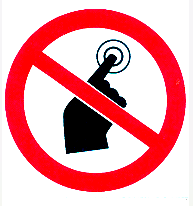 No starting
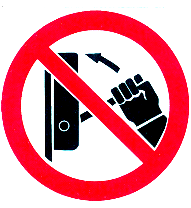 No switching on
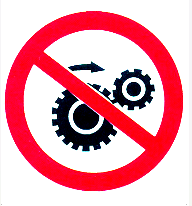 No turning
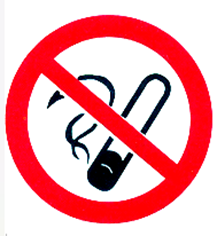 No smoking
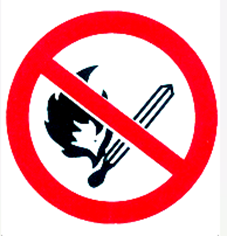 No burning
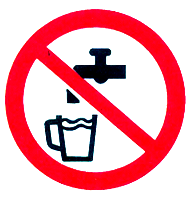 No drinking
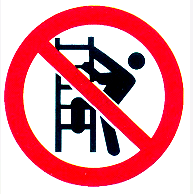 No climbing
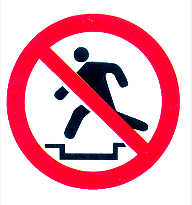 No striding
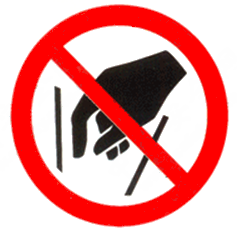 No reaching in
 Warning danger
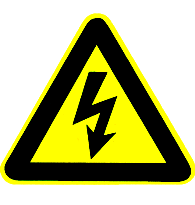 Warning electric shock
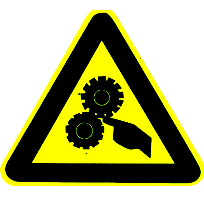 Warning mechanical injury
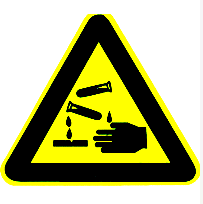 Warning corrosion
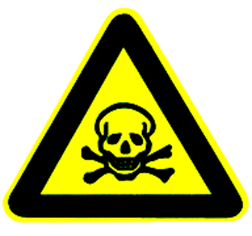 Warning poisoning
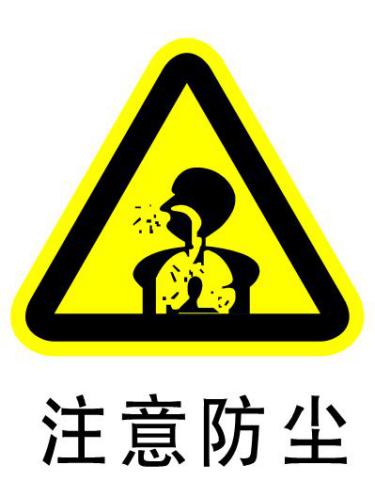 Caution dust
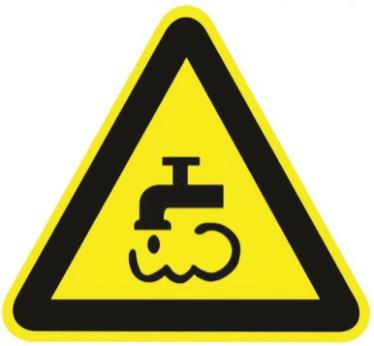 Caution steam and hot water
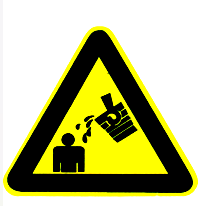 Warning scald
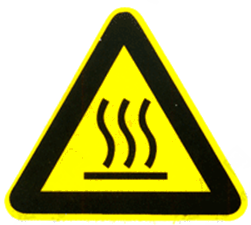 Warning hot surface
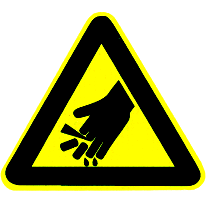 Warning injure hand
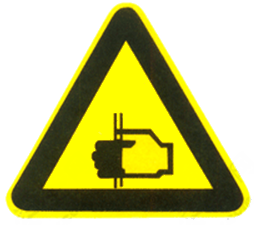 Warning hands pinching
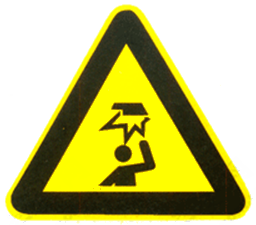 Warning overhead obstacles
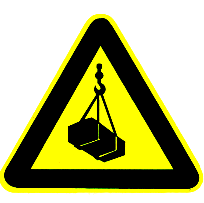 Warning overhead load
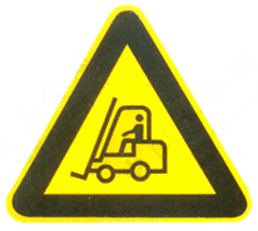 Warning fork lift trucks
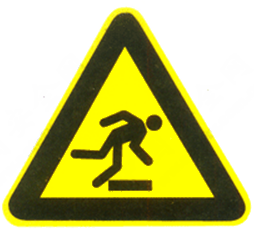 Warning obstacles
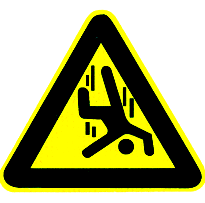 Warning drop down
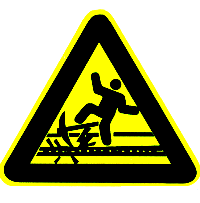 Warning cable
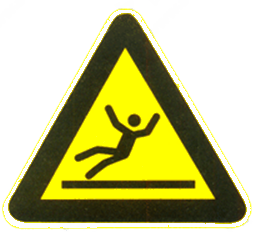 Warning slippery surface
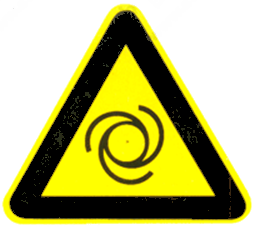 Warning automatic start-up
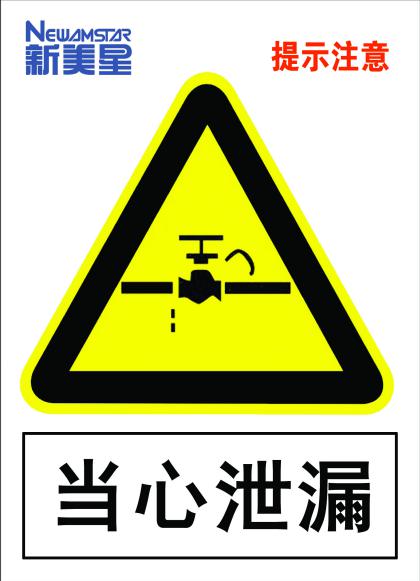 Caution leakage
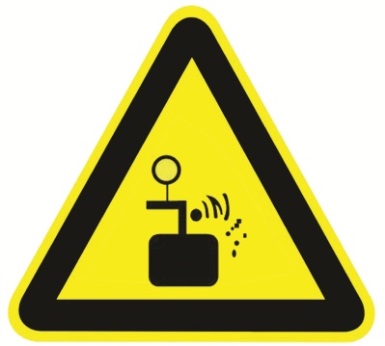 Warning overpressure
 Must wear protective cap
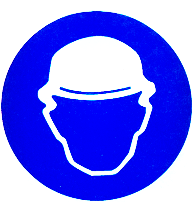 Must wear safety helmet
 Must wear protective goggles
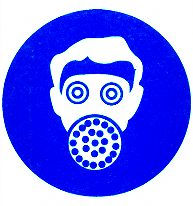 Must wear gas defence mask
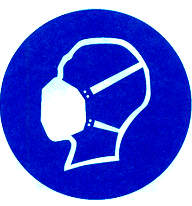 Must wear dustproof mask
 Must wear opaque eye protection
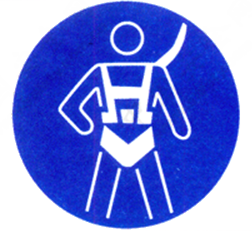 Must fastened safety belt
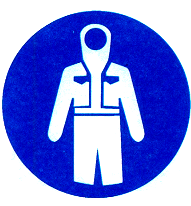 Must wear protective clothes
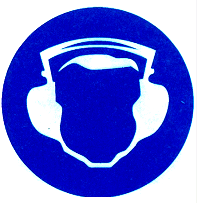 Must wear ear protector
 Must wear protective gloves
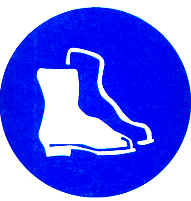 Must wear protective shoes
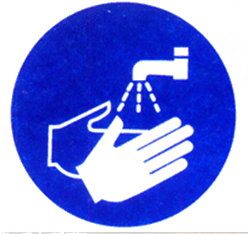 Must wash your hands
 Must connect an earth terminal to the ground
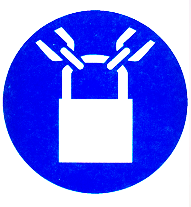 Must be locked
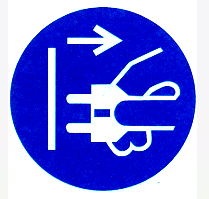 Must disconnect mains plug from electrical outlet
 Emergent exit
 Flare up region
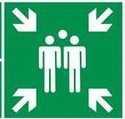 Evacuation assembly point
Basic Safety Information
Machine Application
Approved use
The machine is designed and manufactured in accordance with guest order and user demand, so it can only meet the needs signed in the contract between the machine using company and King Machine.
Unapproved use
Responsibilities on machine’s abnormal run and safety under the following circumstances are not shouldered by King Machine.
- Unapproved usage would lead to injuries and machine damage.
- Operate the machine under the immature running condition, or operate the problematic/damaged machine.
- Use the machine around explosive items.
- Use the machine to handle flammable, oxidizable, and explosive medium/ product without the permission of King Machine.
- Use the machine to handle ozone, strong chlorine, erosive medium/ product without the permission of King Machine.
Protective Device
All machines are equipped with protective devices, especially the components which tend to cause danger, such as the components in motion. The protective device can protect people, equipment, and environment from danger.
If the door, window, protective net, and cover plate etc. can be opened or closed without tools, protective devices are controlled photoelectrically. Only when there is no danger in the machine, can the control system allow the protective device opened, which means the machine won’t run at that time. If needed, the machine can have a test run when the protective door is open.
If the door, window, protective net, and cover plate etc. can be opened or closed without tools, protective devices are not controlled by the machine. They can only be opened by the settings or maintenance staff, and have to be closed when finished.
Stop Switch Device
Emergency stop switch can only be used in accidents or malfunction, which is generally set in:
- To single machine: the whole machine, entrances and exits of containers.
- To combined machine: all the machines, entrances and exits of containers.
- To special equipment: components of other production line, which are controlled by user’s special input/output signals.
Hidden Dangers Caused by Wrong Operation
Emergency stop switch
A sudden stop by emergency stop switch, if used under normal situation, would cause fast abrasion to machine components, which may result in the failure of emergency stop switch in emergent situations, causing danger and great damage to the machine.
So emergency stop switch can only be used in emergency.
Main switch
Main switch can’t be acted as emergency stop device. After the emergency stop switch is off, only when the main switch turns off, can the machine be really stopped.
Dangers Caused by Energy Power Plant
Electrical equipment
It’s dangerous for unqualified staff to operate on electrical equipment, which should be done by specially trained electrical worker who are equipped with professional knowledge.
Operation to electrical devices without power off may cause danger, such as electric shock. To make sure that power is off, it must take the following safety measures:
- Insulate the electrical system.
- Lock related switch.
- Make sure that the power source is disconnected
- Hang warning signs, such as no switch on.
- Ensure ground connection/ short circuit.
- Make sure that electrical components around are protected or insulated.
- Disconnect other electricity supply system, such as UPS power source.
- Check the electrical diagram and make sure that there is no other danger.
Hydraulic/ pneumatic device
It's dangerous for unqualified staff to operate on hydraulic / pneumatic equipment, which should be done by specially trained professionals equipped with professional knowledge.
Operation to hydraulic/ pneumatic devices under pressure would cause danger, such as pressure vessel, pneumatic components, and pressure pipeline system etc. Before operation to them, make sure that they have been decompressed, while observe following safety measures:
- Close pressure supply.
- Lock relevant pressure switch.
- Relieve pressure.
- Check pressure relief, such as check the pressure gauge.
- If necessary, discharge the fluid in system, such as hydraulic oil.
Technology Condition of the Machine
Medium condition of machine run
To prevent machine damage, media, such as water, electricity, air, steam, and chemical etc., have to meet the minimum and maximum values of device technology requirements under national regulations, such as pressure, concentration, temperature, and response time etc. About the detailed information, please refer to energy consumption demand table of the machine technical data.
Packaging materials technology condition for machine running
To prevent machine damage, machine/ system operation requires qualified packaging materials, such as container, cap, label, paper box, shrink film, and plate etc., under national standards. As to detailed information, please refer to technological condition of machine technology data.
Product material technology condition for machine running
To produce qualified products, machine/ system operation requires qualified packaging materials, such as container, cap, label, paper box, shrink film, and plate etc., under national standards. As to detailed information, please refer to technological condition of machine technology data.
Danger caused by machine run technology condition
Materials and auxiliary materials used on food industry have to meet the requirements of food industry, and can’t contain forbidden ingredients, such as microbe, detergent, and disinfectant etc.
In machine/system operation, materials and auxiliary materials may pose hidden danger. To prevent that, it can take appropriate safety actions, such as wearing protective clothes, and safety measures, such as ventilation.
Observe current rules on materials and auxiliary materials, and don’t go beyond the limited value. And observe the safety instructions made by different manufacturers of the same material.
The following process/ operation materials have the hidden danger:
- Product material, such as alcohol.
- Vessel, such as broken glass bottle.
- Gas, such as CO2, N2, O2, and H2O2, and volatile gas, such as product and solvent.
- Lubricant, such as oil and grease.
- Cleaning/ disinfection medium, such as chemical, alkali, acid, H2O2, steam, hot water, and waste water.
- Hazardous substances from the chemical reaction among liquids/ materials
- Released radiation, such as radioactive radiation and X ray radiation.
The following processes/measures can reduce or avoid potential danger:
- Operate the machine safely under good technological condition.
- Wear appropriate protective clothes, watch out hazardous materials, and observe relevant stipulations, such as the stipulation of dangerous goods.
- Don’t blend liquids/ materials casually.
- Set additionally ventilation/ pulling system in working area, and regularly check whether they work normally.
- Observe national and company’s noise protection stipulation, and take appropriate measures to limit noise during machine/ production line operation periods, such as optimizing the sound insulation construction. In the noisy workshop, operators have to wear hearing protective devices.
- Add alarming signals to identify radioactive areas.
Other Potential Dangers in the Machine
The machine meets the technology standards, works safely, and structurally eliminates many safety risks, but there are other potential risks due to uncontrollable reasons such as part boundedness, power source supply, materials and auxiliary materials etc.
Please note and consider the following danger reminders, so as to remove the risk with the maximum limit.
- For technological reasons, some protective areas have to keep open, such as entrance and exit of vessels. Please don’t go into those areas in prevention of being hit or drawn in.
- In machine test, the protective door can be open when jogging, which indicates a high safety risk. Highest protective measures should be taken, so as to prevent injuries/ machine damage.
- The operator has to climb on top of the machine when changing components or maintaining the machine. He should use appropriate climbing tools, such as a stable ladder, wear anti-skid shoes, and take protective measures. Please note that slip from the machine or step onto sensitive components would cause severe injuries and equipment damage.
- Touching hot components, such as steam pipeline, hot water pipeline, thermal contraction, and electrical machine etc may scale the skin. Watch the warning sign, and wear necessary protective equipment and devices.
- If there is any danger of technology equipment deterioration in production, such as unqualified protective equipment, loosened components, glass fragment, and loosened pipeline etc. are dangerous, stop the machine immediately until its recovery to a good condition.
- Danger caused by machine movement during operation:
- To prevent possible movements of the machine during work, such as components change, accident exclusion, and overhaul etc., the machine should be locked with a warning sign until finished.
- Only under absolutely necessary condition, can the machine be shortly connected. And watch out injuries and machine damage.
- Danger caused by auto-start and external start:
- Be aware that the machine may automatically re-start by external forces or after the temporary production.
- Imminent start of some machines would send appropriate signals, such as alarming sound and light signal. Please refer to operation production description and leave the dangerous area immediately.
Basic Safety Instruction of the Machine
Safety and Protective Devices
Machine safety and protective devices can help to protect the safety of people and machine. Ensure that those devices are always under good conditions or in preparation for operation. Safety and protective devices include the followings:
- Safety control components, such as main switch, emergency stop switch, and maintenance switch.
- Signals and alarming devices, such as signal light, indicator, and alarming device.
- Protective devices, such as protective windows and doors, shrouding overhead guard, protective devices, and photo-electricity module.
- Safety structure, such as brake, pressure switch, safety valve, motor protector, and fuse.
- Safety signs, such as prohibition, warning, instruction, and reminder signs.
Incorrect use of machine safety and protective devices would lead to injuries and machine damage. Please remember the following suggestions:
- Don’t leave people in the closed protective areas when the machine is under operation.
- If operating the machine, safety equipment and protective devices should be correctly installed and ensure that they can work normally. All protective facilities, such as door, window, protective net, and cover plate etc. should all be closed.
- Emergency stop bottom can only be used in emergency to stop the machine, not a facility to cut off the electricity source. Note that electric component still convey electricity and pneumatic/ hydraulic components are still under pressure even after the emergency stop bottom has been pressed.
- Don’t disassemble, cross connect, and close safety equipment and protective facilities.
- During machine maintenance, the temporary control of machine protection facilities can only be operated by specially trained professionals. After recovery, check whether they can work normally.
- The doors of electricity control and switch bin and their protective covers need to keep closed. Only after the professionals have taken required safety measures, can they be opened when the machine is on work.
Safety Instruction Before Start and During Operation
- Only high quality packaging materials and raw auxiliary materials can be used.
- Careless operation on the machine is not allowed.
Before starting the machine, ensure that:
- All transformation components are correctly and firmly installed.
- Don’t leave goods, such as wipe cloth and tools, in the machine, especially on rotatory components of the machine.
- Don’t run the machine if there is any problem to instruments, indicator lights, and control components.
- Ensure that there is no person in the dangerous operation zone before starting the machine.
- Send warnings to all present relevant people before each start of the machine.
- During machine’s operation, don’t use the tools on it or clean it.
- During machine’s operation, don’t enter into the machine and get away from its driving components.
- During machine’s operation, check the machine sound to see whether it’s normal. If not, find reasons and exclude faults.
- It’s important to get familiar with machine control, operation components, and their functions before starting the machine. And read the relevant functions on the operation manual if necessary.
- Observe instructions provided in the operation manual when operating the machine, such as start, production, and end of production.
- Don’t do maintenance job to the working machine.
Safety Instruction When Stopping and Locking the Machine
The machine has to be stopped and locked before the maintenance, such as components change, faults exclusion, care and maintenance etc., so as to prevent injuries.
As a result, it necessary to remember the followings:
- Stop the machine normally, and please observe relevant instructions on the operation manual.
- After the machine is closed, please lock it in prevention of being powered on.
- Use the locks to lock the corresponding switch, such as main switch and emergency stop switch.
- Withdraw lock’s key and take along with it.
- Note that each person who maintains the machine should lock the machine with his own lock.
- Don’t withdraw the lock before finishing the maintenance.
If the machine has to be temporarily run/connected
- Ensure that the machine won’t be damaged.
- It has to be under absolutely necessary situation.
- Be aware of related instructions and dangerous information in the operation manual when jogging or connecting the machine.
- Open the machine lock only after finishing the operation.
If re-powering the machine, ensure the followings before the start:
- All the work has been finished, and all components have been correctly installed.
- Don’t leave the goods, such as wipe cloth and tools, in the machine, especially on machine’s rotatory components.
- Ensure that there is no person in protective areas.
- Re-start the machine correctly, and observe relevant instruction in the operation manual.
Safety Instruction in Machine Debug
During the machine debug, when opening the protective door, the machine may be jogged, which indicates high safety risk, and requires taking maximal protective measures, so as to prevent injuries and machine damage.
So pay attention to the followings:
- Only the appointed professionals who have been specially trained can debug the working machine.
- It’s not allowed to transfer operation mode keys to other people.
- The machine can only be jogged when it’s ensured that there are no people on the machine, and that no damage would be done to self and others.
- Don’t enter into the machine.
- Keep a safe distance from the moving components, such as bottle feeding wheel and the gear, especially when operating around those components.
- Before any operation, lock the machine, preventing that it is powered or automatically starts.
- After the operation, operation switch has to be settled on the lock mode.
- If the machine hasn’t finished its work when the operator is off duty, close it and cut off the main electricity supply source.
Safety Instruction in Product / Component Change
It requires conversion process when transferring the machine to handle other products/containers/ packaging, and pay attention to the following points:
- Before the new operation, close and lock the machine in prevention of being powered. If necessary, such as the completion of component installation, the machine can run for a short time, but it must observe the instruction provided in the operation manual.
- Do the conversion process when there is no machine danger, such as that heating pipe/ components have been cooled to the room temperature.
- Use appropriate tools and auxiliary items to do the operation, especially some special tools.
- Ensure that components won’t fall when being tore down and that heavy components must be torn down under the assistance of a group of people.
- Do the conversion process in accordance with the requirements correctly and thoroughly. Only when conforming to start safety instruction and approved by related officials, can the machine be operated.
Safety Instruction in Fault Query and Maintenance
To ensure or quickly recover the run of the machine, it needs to find and eliminate faults.
Be aware of the following points during faults elimination
- Please pay attention to the fault signal message on the machine, such as fault alarms on the touch screen.
- When waiting for handling the failure, please stop the machine if necessary. If there is a serious fault, please stop the machine immediately.
- Remove faults by referring to the failure chapter in the operation manual.
- If faults can’t be eliminated by referring to the operation manual, seek help from trained professionals, such as comprehensive maintenance personnel or service personnel from King Machine.
- Faults elimination must be correct and thorough.
In maintenance, keep the following points in mind:
- Set a warning sign on the control plate of the defective machine.
- All the maintenance must be conducted by one person in charge.
- During maintenance process, if there is no need to run the machine, cut off the main switch and lock it with a padlock in case of being mistakenly put through.
- The machine can only be maintained by trained professionals. And the maintainer has to take his work seriously in prevention of human injuries and machine damage.
The electricity has to be cut off before maintaining electrical components. And take the following safety measures:
- Close the electricity source.
- Take some protection measures in prevention of putting through the electricity source.
- Check and make sure that the electricity source has been closed.
- Ground connection and short circuit protection.
- Components must be covered or insulated
- Only after being decompressed, can pneumatic and hydraumatic components be maintained.
- During maintenance, other irrelevant people should keep away from the machine.
- In maintenance or other operations, send warnings to all the other relevant people before starting the machine.
Do the required maintenance correctly and thoroughly. Only having conformed to start safety instruction and approved by related officials, can the machine be operated.
Safety Instruction in Machine Maintenance
Do regular and comprehensive maintenance to the machine, so as to avoid human injuries and machine damage, and to make the machine operate under good technology environment.
In regular maintenance, it should keep the followings in mind:
- Maintenance has to be, under the supervision of the person in charge, carefully finished by appointed professionals who have received special trains.
Before the maintenance to the machine, it’s necessary to take safety measures, which are more than the following points:
- Hang a maintenance warning sign.
- Stop/ lock the machine in case of being powered on.
- Decompress hydraumatic/ pneumatic components.
- Safely discharge cleaning/ disinfection media and lubrication etc.
- Observe messages and safety instructions provided in the maintenance chapter of the operation manual.
- Maintain correctly and thoroughly. Only having conformed to start safety instruction and approved by related people in charge, can the machine be operated.
Comprehensive maintenance requires the attention on the following points:
To weld and fire working:
- Ensure the complete empty of pipeline system, containers, and components.
- Remove solvents and sundries completely before gas welding.
- Be careful about the non-metallic (such as plastics) materials of the machine, which may produce poisonous gas after combustion.
- Black out all components before machine welding.
- Be careful when welding the pipeline, because it may damage the materials in it, such as electricity wire and sealing element.
- If handled inappropriately, the stainless steel may get rusted. Take the followings as examples:
- Welding parts of the stainless steel hasn’t been inactivated.
- The steel parts of the stainless steel haven’t been processed.
- Operate the stainless steel with metallic brushes.
- Stainless steel gets stained by the sparks from incision and grind.
Safety Instruction in Machine Cleaning
If machine’s hygienic condition would directly influence the product, ensure the internal/ exterior clean/ sterilization in case of product/ machine being polluted. And pay attention to the followings in cleaning:
- Use appropriate chemicals and be clear about their safety data and characteristics. And use them in accordance manufacturer description.
- Clean the machine regularly according to rules.
- Don’t use high pressure cleaning equipment.
- Don’t clean electric components with water or other liquids.
- Remove the lubrication oil, lubrication grease, and other similar substances which may make people slipped and injured from the handle, staircase, and platform.
- Avoid the touch of cleaning/ sterilization media in prevention of skin poison.
- Be careful when using the cleaning/ sterilization media. The operation to those dangerous goods can only be finished by those specially trained professionals.
- Wear appropriate protective clothes. Clean the dirty skin thoroughly with water, moderate detergent, or soap after operation and before the meals. If necessary, use moist cream on the skin to form a thin layer of natural protective film.
- Clean as required correctly and thoroughly. Only having conformed to start safety instruction and approved by related person in charge, can the machine be operated.
Safety Instruction in Machine Lubrication
To ensure the long operation of the machine without any fault, it needs to lubricate it regularly, which requires attention on the following points:
- Before lubrication, close and lock the machine in case of being powered on. If necessary, such as painting wheel gear with lubrication grease, the machine can be operated for a short time, but it needs to observe instructions provided in the operation manual.
- Use appropriate lubrication and know exactly about their features. Use them according to manufacturer descriptions.
- Observe the lubrication use information in the operation manual.
- Lubricate the machine regularly according to rules.
- Avoid the touch of lubrication in case of harming the skin. And note that hot lubrication can scald the skin.
- Don’t take the wipe cloth with lubrication into your pocket.
- Don’t inhale lubrication haze/ steam.
- Wear appropriate protective clothes. Clean the dirty skin thoroughly with water, moderate detergent, or soap after the operation and before the meals. If necessary, use moist cream on the skin to form a thin layer of natural protective film.
- Clean correctly and thoroughly as required. Only having conformed to start safety instruction and approved by related person in charge, can the machine be operated.
Safety Instruction in Machine Installation / Disassembly
In installation/ disassembly, please pay attention to the following points:
- Machine installation/ disassembly must be exclusively done by trained professionals under supervision of the people in charge, such as machinery personnel, electrical professionals, and comprehensive maintainers etc.
- Be careful in machine installation/ disassembly. Ensure the correct use of equipment and tools, such as hoist, forklift, mooring rope, etc.
- The machine must be transported to the site and installed correctly. And it can only be hoisted or carried at the preset or marked place. If there is no mark, measure the center-of-gravity position and then hoist or carry it safely.
- In installation/ disassembly areas, please set indicator signs, post safety instructions, install protective measures, and provide safe walking path.
- Related person should wear appropriate protective tools, such as safety helmet and safety belt.
- If re-installed or test run in the future, it’s important to disassembly and store the machine correctly, so as to ensure the normal and safe run of the machine.
- To the materials used in machine installation/ disassembly, if they need to be handled, handle them correctly, and ensure there is no harm to the environment.
- Before starting the machine, all detection measures on machine’s safety run, such as debug, test operation, installation, and acceptance etc., have to be finished.
Note that:
If disassembly, installation, first start of the machine are operated by the user or person appointed by the user instead of staff from King Machine, the responsibility of corresponding damage and maintenance won’t be shouldered by King Machine.
Special Safety Instructions
Emergency Shutdown Treatment
Basic instruction requirements
- Keep on high alert for potential danger during machine run.
- The following information should be known before operation:
- The peril which can be detected from the machine.
- The means to prevent and handle such peril, such as emergency shut-down, chemicals, dangerous gas, and first-aid measures.
- Emergency facility’s position around and operation methods, such as first-aid facility and fire extinguishing facility.
- Current emergency systems and their positions, such as fire detector and escape path.
Stop the machine in emergent circumstances
- Under dangerous condition, the machine has to be stopped as soon as possible.
- The operator, before any operation, should be familiar with structure, location, operation, and function of all emergency shutdown devices.
- Under emergent circumstance, immediately start the nearest emergency shutdown device, such as emergency shutdown switch.
- Ensure that the machine has been stopped and that pipeline system has been transferred to a safe state.
- Be careful of the danger caused by electrical/ pressure components after pressing emergency shutdown button, which can only be used to immediately stop the machine under emergent condition. Note that it’s not an electricity source disconnection device. After being pressed, there is still electricity in electric components, and pressure in pneumatic/ hydraulic components.
- Be careful about the danger caused by mistaken use of main switch., which can’t be used as an emergency shutdown device. It is to cut off the electricity source after the stop of the machine, so as to ensure the machine has been actually stopped.
- Lock the machine in case of being powered on.
- Make necessary emergency measures.
Emergency Measures
- Under emergency, it should observe the following points according to company’s emergency rules:
- Stop the machine immediately.
- Rescue the injuries.
- Inform the relevant emergency service person, such doctors and fire department, of the accident.
- Provide first-aid.
- Inform the supervisor.
Fire Disaster Treatment
- About fire disaster, it should know the basic points and dealing methods:
- Fire extinguishing methods to different fire situations, such as CO2 extinguishing facility.
- Locations of extinguishing facilities and operation methods.
- Use and only use appropriate extinguishing equipment to extinguish the fire. Otherwise, it may generate new threats, such as poisonous gas and steam.
- If the gas overflows, common workers should leave the dangerous zone, and only the person equipped with appropriate respirator can get in. If possible, stop the gas overflow by shutting down the main valve.
- To relatively strong fire or if unable to deal with the danger by self, please leave the dangerous area, and report to the police or relevant departments immediately.
Chemical Accident Treatment
- To chemical accidents, remember the basic points and dealing methods:
- Be familiar with the safety data of used chemicals.
- Be familiar with the features of used chemicals.
- Safety measures and rules of corresponding chemicals.
- Appropriate first-aid measures after being hurt, such as eyes cleaning.
Safety Treatment to Radiation and Radioactive Materials
Basic Information on Radiation Treatment
Some components in the machine may release harmful rays. Place a warning sign at those areas which may be radiated. And to the machines with laser gears, the warning sign should have a grade description.
The radiations which may cause danger include optical radiation, magnetic radiation, microwaves, laser radiation, radioactive materials, and ionizing rays. The followings are possible examples:
Basic safety measures:
- Please observe laws/ codes/ stipulations on rays.
- Place intact warning signs in appropriate places, and make sure that it can be read clearly.
- Don’t enter into harmful radioactive areas. Operate in those areas only under absolutely necessary situations.
- Strong magnetic fields would affect cardiac activity and body auxiliary equipment (such as cardiac pacemakers), thus endangering health or even causing death. Stay away from radiation sources, and keep the minimum safety distance.
- Don’t look the radiation source directly, such as laser beam. Don’t expose eyes and body into radiation.
- Wear appropriate protective clothes and equipment if necessary, such as UV safety glass.
- Cool the heat sources before changing them, such as the light bulb.
To radioactive radiation, observe the following precautions:
- Don’t get close to it when it’s at work.
- Don’t store food around it.
- Never open the radiation emitter.
- If the equipment is broken, shut it off immediately, and have it checked by specially trained and appointed professionals.
- Use of radioactive emitters should submit to national radiation protection regulations (such as radiation protection regulation) and the relevant government administration stipulations. More importantly, it should perform application safety stipulations and be supervised by government administration.
- Except service engineers of King Machine or those authorized by national certificates, other can’t operate the radioactive emitter.
- If the radioactive emitter has been broken, provide protection around the damaged component, so as to reduce the radiation as much as possible. If the cover of the emitter has been lost, use heavy metals to cover it.
- If necessary, measure radiation and radiation range with optical grating, and contact the relevant government organization.
- If radioactive emitter has been lost, report to the relevant government organization.


